
Focus {06}
Township retail
How do we bring spaza shops the tools that chains take for granted?
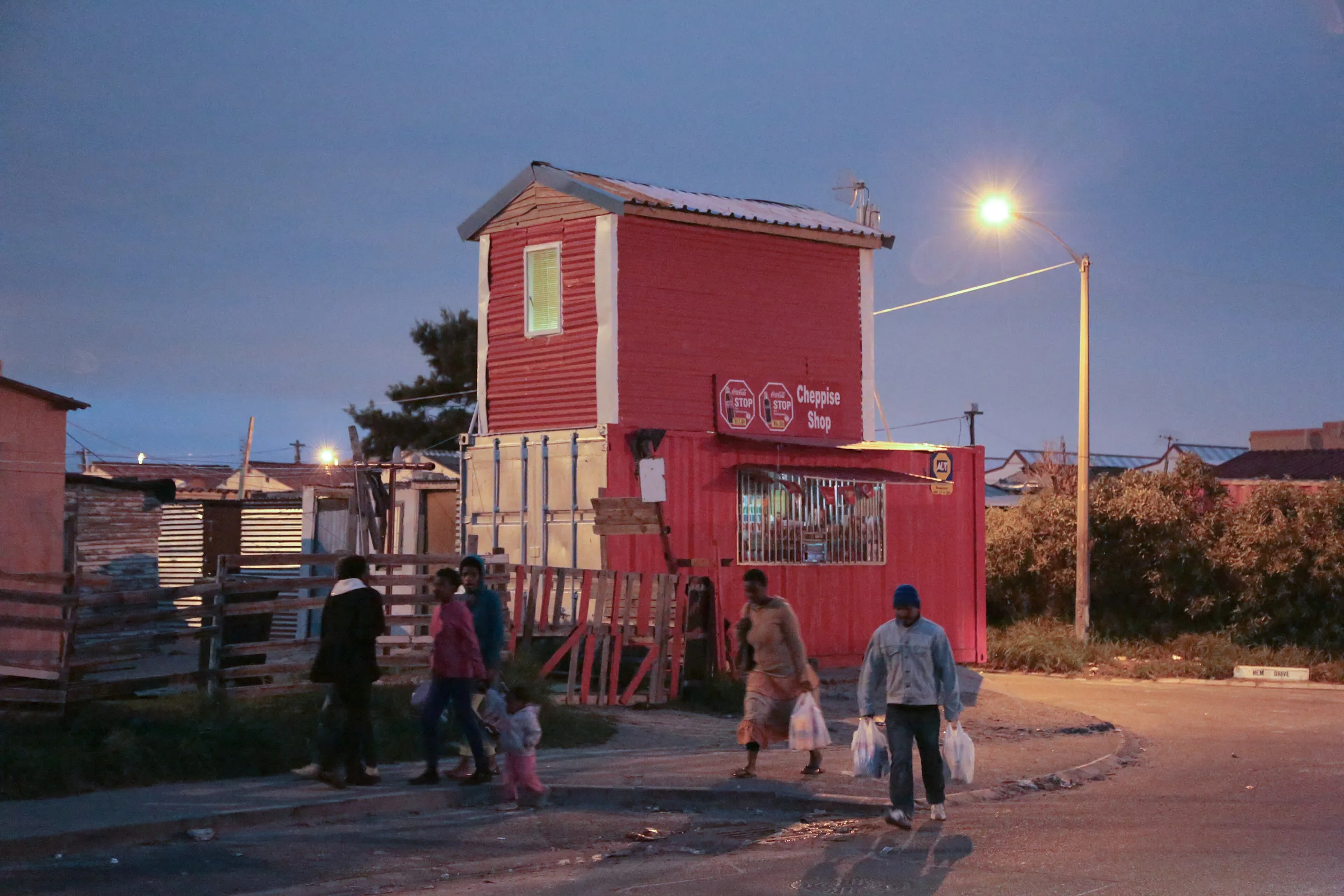
Why it matters
Spaza shops and informal traders are where many South Africans shop every day. They often run on cash, a notebook and a trip to the wholesaler, without the ordering, credit and stock tools that chains rely on.
The data behind itWhat the numbers say.
- Household food basketR5,488
+2.0% in a year (September 2026). A full month on the national minimum wage is R5,079.
The question we’re askingCan small shops and buying groups buy together to take cost out of the basket, rather than pass it on?
See the data: PMBEJD, via Artive Capital - Foods moving mostOnions 10kg +66.2%
Up: Onions 10kg +66.2%, Potatoes 10kg +33.6%, Bananas 4kg +22.8%. Down: Oranges 7kg -18.3%, Sugar beans 5kg -14.5%, Maize meal 30kg -11.5%.
The question we’re askingCould a simple price feed help small retailers reprice and restock faster when single items swing this hard?
See the data: PMBEJD, via Artive Capital - Fuel, a year onPetrol +39.9%
95 inland R30.25 a litre in October 2026; diesel R31.95 (+65.2%).
The question we’re askingWhat does dearer fuel do to the cost of last-mile delivery, and who can share routes and vehicles to bring it down?
See the data: Official prices (AA), via Artive Capital
What we want to testQuestions for the lab.
- 01
Can ordering from a wholesaler be as easy as sending a voice note?
- 02
What would stock credit look like if it were based on a shop’s real sales?
- 03
Can a spaza shop earn more as a pick-up point for online orders?
Open problemsWorth a company?
- 01
Restocking means closing the shop, travelling and carrying stock back by taxi.
Pitch a fix - 02
Cash is risky to hold and hard to prove, so credit is hard to get.
Pitch a fix - 03
Online orders rarely reach township homes, and deliveries often fail.
Pitch a fix
Got a commerce problem worth a company? We want to hear it.
A few lines is enough: the problem, who has it and why now.